Who we treat.
From first-graders to grandparents... and everyone in between!
Neurofeedback and neuromodulation serve a broad spectrum of clients, from children as young as five through older adults.
Developmental differences, attention difficulties, symptoms of anxiety, emotional dysregulation, symptoms of depression, and developmental trauma are the most common reasons clients seek us out.
Adolescents and young adults follow similar paths, frequently presenting with ADHD, mood disorders, PTSD, or the compounding pressures of academic and occupational demand. For adults in their thirties through sixties, what often accompanies is chronic stress, burnout, sleep disturbance, cognitive concerns, and trauma. We work with people from all walks of life, including high-functioning individuals looking not just to manage symptoms, but to think and feel more clearly.
What cuts across every age group is a shared experience more than a shared diagnosis, meaning that the brain isn't quite working the way it should, and that conventional approaches have only gone so far. Clients drawn to these services tend to be curious, motivated, and ready to engage actively in their own care.
Whether someone is a parent advocating for their child, a professional navigating burnout, or an older adult paying closer attention to cognitive health, the work is collaborative by nature.
Common symptoms we work with
From A to Z, we work with everything inbetween.

Depression

Anxiety
Autism Spectrum Disorder

ADHD

Insomnia

Stress

Burnout

Chronic Pain

Emotional Dysregulation

Post Partum Depression
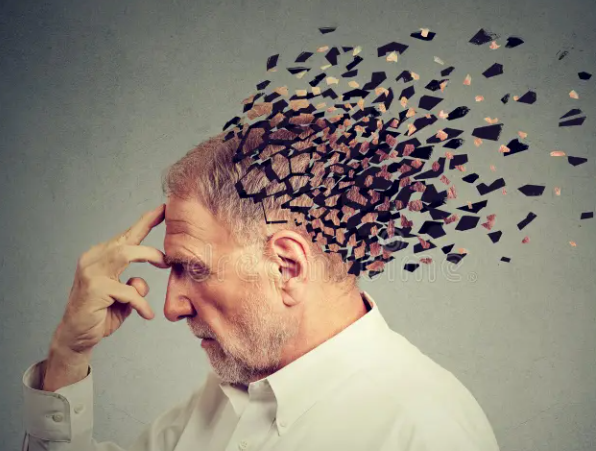
Memory Issues

Concentration Issues

Migraines

OCD

Brain Fog

Panic Attacks

Trauma

Fatigue

Irritability

Low Motivation

Mood Swings

Learning Difficulties

Sleep Disturbances

Traumatic Brain Injury

Performance Anxiety

Addiction

Cognitive Decline

Adjustment Disorders

Sensory Processing Issues

PTSD


How we setup sessions.
1. Acquisition
An EEG acquisition is performed, which charts the unique properties of electrical activity in the brain.
Through guided QEEG analysis, we are able to determine where and what needs attention.
2. Analysis & Protocol Development
Our analysis identifies areas of dysregulation.
From there, an individualized protocol utilizing neurofeedback and/or neuromodulation is created.
3. Treatment
Protocol development is performed in-house by our board-certified staff and are individually tailored to you and your brain. Sessions encompass an integrated approach of neurofeedback, neuromodulation, and talk-therapy to achieve lasting results.
4. Evaluate
After a certain amount of sessions have been completed, we reevaluate to ensure your goals are being met.
Using comparative analysis we track progress from the start till the end of your time working with us.
Treatment we specialize in.
From the analysis, we develop a protocol using a combination of the following interventions to treat the most severe areas of dysregulation. Each protocol is custom designed to your needs, quickly reducing severity, improving symptoms, and creating lasting change.

Neurofeedback trains the brain how to regulate areas of dysfunction, improving symptoms and enhancing cognition / behaviors.


The modality and approach is individual to your needs based on analysis. We develop custom protocols as we've found this is most likely to yield meaningful, long-term change versus pre-packaged solutions. This allows us to not only tailor specific solutions to resolving dysregulations unique to you, it also allows us to develop familiarity and understanding of your brain.

An example of real client progress.
Areas of dysregulation are shown in increasingly more red or blue, white is considered normative and healthy in this example.
Commonly asked questions.
Question - How long does treatment usually take to show results?
Answer - Without a proper assessment, there's no way to know. Factors like severity, length of time you've experienced symptoms, and biological / environmental factors can play a large role in the length of time it takes before seeing change.
Typically, between 8-10 sessions we begin to see change, we continue to reassess every 10-15 sessions to ensure we are making progress. However, this may take longer, which is something we discuss during the intake process.
Question - Do we need to come in person or can this be done remotely?
Answer - Treatments are done in person, we may recommend a device you can purchase for use in the home, but expect to come in otherwise.
Question - Do you offer talk therapy?
Answer - Yes! We are trained in a number of modalities related to talk therapy, we often perform talk therapy alongside neuromodulation to maximize results. Otherwise, we offer talk therapy as a stand alone.
Question - Do you offer talk therapy?
Answer - Yes! We are trained in a number of modalities related to talk therapy, we often perform talk therapy alongside neuromodulation to maximize results. Otherwise, we offer talk therapy as a stand alone.
Questions? Give us a call!
Book a clarity call with us.