
Healthy Mind - LI
PSYCHOTHERAPY - NEUROFEEDBACK - NEUROMODULATION

Performance Anxiety
Performance anxiety is a form of situational anxiety triggered by the anticipation or experience of being evaluated, observed, or judged most commonly in contexts such as public speaking, athletic competition, musical or artistic performance, academic testing, or high-stakes professional situations. It goes beyond ordinary nerves; performance anxiety can produce intense physical symptoms including racing heart, trembling, sweating, nausea, and mental blanking, as well as cognitive symptoms like excessive self-doubt, catastrophic thinking, and an inability to access skills and knowledge that are otherwise well-established. It affects people of all ages and backgrounds including highly accomplished individuals who are objectively well-prepared and can become self-reinforcing over time as the fear of anxiety itself becomes an additional layer of pressure that compounds the original problem. Left unaddressed, performance anxiety can lead to avoidance, missed opportunities, and a significant erosion of confidence and self-efficacy. Neurologically, performance anxiety involves the same threat-detection misfiring seen in other anxiety presentations the brain interprets the evaluative situation as a genuine threat, triggering a fight-or-flight response that directly undermines the calm, focused, and fluid mental state that performance requires. The prefrontal cortex essential for accessing learned skills, maintaining composure, and thinking clearly under pressure becomes disrupted by the flood of stress hormones, while the brain's self-monitoring and rumination networks go into overdrive, pulling attention away from the task and toward self-evaluation and perceived threat.
Neurofeedback can help by training the brain toward the calm, focused, and present-centered states most associated with peak performance reducing the overactivation that hijacks performance and strengthening the neural patterns that support composure, flow, and confident execution under pressure. Neuromodulation approaches such as tDCS can support this by enhancing prefrontal function and cognitive clarity, while tVNS helps regulate the autonomic arousal that produces the disruptive physical symptoms of performance anxiety. HeartMath biofeedback is particularly valuable in this context, training the performer to achieve and maintain physiological coherence a state of calm, focused readiness that directly supports optimal performance. Together these approaches offer a powerful, drug-free path to genuine performance confidence not by eliminating the natural activation that comes with high-stakes situations, but by training the brain and nervous system to channel that energy into focused, fluid, and confident performance rather than fear and self-sabotage.

Mood Swings
Mood swings refer to rapid, unpredictable shifts in emotional state, moving from feeling relatively fine to sad, irritable, anxious, or elevated in ways that feel disproportionate to circumstances and difficult to control.

Traumatic Brain Injury
TBI refers to damage to the brain caused by an external force such as a blow to the head, a fall, a vehicle accident, a blast exposure, or a sports collision that disrupts normal brain function.

Emotional Dysregulation
Emotional dysregulation refers to a persistent difficulty managing and responding to emotions in a way that feels proportionate and controllable resulting in intense emotional reactions, rapid mood shifts, difficulty calming down once upset, emotional outbursts, or conversely a sense of emotional numbness and disconnection.

Low Motivation
Low motivation is a persistent state in which a person struggles to initiate, sustain, or find meaning in activities even ones they know are important or that they previously enjoyed.

Adjustment Disorder
Adjustment disorder is a condition that occurs when a person has a significantly harder time coping with a major life stressor than would typically be expected, and that difficulty begins to meaningfully interfere with daily functioning.

Anxiety
Anxiety is a common mental health condition characterized by persistent worry, restlessness, physical tension, rapid heartbeat, difficulty concentrating, and a general sense of fear or dread that feels difficult to control.

Depression
Depression is a serious mental health condition marked by persistent sadness, loss of interest in daily life, low energy, sleep and appetite changes, and difficulty thinking clearly.

Irritability
Irritability is a state of heightened emotional reactivity in which a person experiences a persistently low threshold for frustration, agitation, and anger resulting in responses that feel disproportionate to the situation and difficult to control

Postpartum Depression
Postpartum depression is a serious mood condition that develops in the weeks or months following childbirth and is distinct from the brief, self-limiting "baby blues" that many new parents experience in the first days after delivery.

Brain Fog
Brain fog is not a clinical diagnosis in itself, but rather a commonly experienced set of symptoms that include mental fatigue, difficulty concentrating, forgetfulness, slowed thinking, and a general feeling of mental cloudiness that makes it hard to think clearly or function at full capacity.

Learning Difficulties
Learning disabilities are neurological conditions that affect how a person receives, processes, retains, or expresses information making certain academic and cognitive tasks significantly more challenging despite average or above-average intelligence.

ADHD
ADHD (Attention-Deficit/Hyperactivity Disorder) is a neurodevelopmental condition characterized by persistent difficulties with attention, impulse control, and in many cases, hyperactivity.
Memory Issues
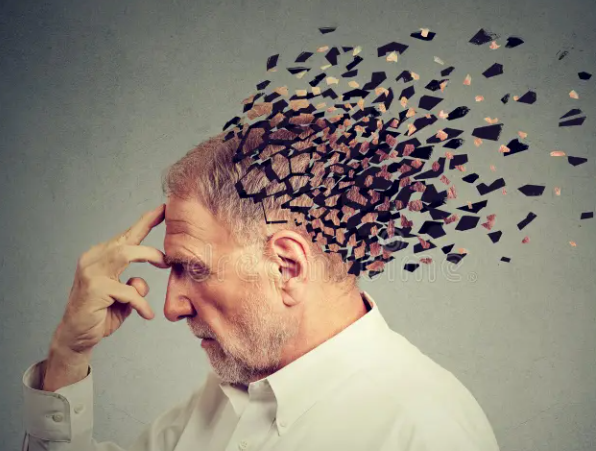
Memory issues refer to persistent difficulties with encoding, retaining, or retrieving information ranging from frequently misplacing items, forgetting names or appointments, struggling to retain what was just read or heard, to more significant lapses that interfere meaningfully with daily functioning.

Sensory Issues
Sensory issues refer to difficulties processing and responding appropriately to sensory input from the environment including sound, light, touch, taste, smell, and movement in a way that is either significantly more intense than typical or significantly less responsive than typical.
Autism Spectrum
Autism Spectrum Disorder (ASD) is a neurodevelopmental condition that affects how a person processes and responds to the world around them, influencing social communication, sensory experiences, and behavior.

Cognitive Decline
Cognitive decline refers to a gradual reduction in cognitive abilities such as memory, attention, processing speed, problem-solving, and language ranging from mild, age-related changes that are a normal part of aging, to more significant impairment seen in conditions like Mild Cognitive Impairment (MCI) and Alzheimer's disease or other forms of dementia.

Concentration Issues
Concentration difficulties refer to a persistent struggle to focus attention, stay on task, retain information, and filter out distractions making it hard to perform effectively at work, school, or in everyday life.

Addiction
Addiction is a chronic, relapsing condition in which the brain's reward, motivation, and self-control systems become progressively reorganized around a substance or behavior, to the point where a person continues using despite clear and often severe consequences.

Burnout
Burnout is a state of chronic physical, emotional, and mental exhaustion caused by prolonged exposure to overwhelming stress most commonly in the context of work, caregiving, or other high-demand roles.

OCD
OCD is a condition characterized by persistent, unwanted intrusive thoughts, images, or urges known as obsessions that generate significant anxiety or distress, and repetitive behaviors or mental rituals known as compulsions that a person feels driven to perform in order to temporarily relieve that distress.

Trauma
Trauma refers to the lasting psychological and neurological impact of experiences that overwhelmed a person's ability to cope whether a single catastrophic event or prolonged exposure to threatening, abusive, or deeply destabilizing circumstances.

Stress
Stress is the brain and body's natural response to demands, pressures, or perceived threats and in small doses it can be useful, sharpening focus and driving performance.
Performance Anxiety
Performance anxiety is a form of situational anxiety triggered by the anticipation or experience of being evaluated, observed, or judged most commonly in contexts such as public speaking, athletic competition, musical or artistic performance, academic testing, or high-stakes professional situations.

Panic Attacks
Panic attacks are sudden, intense episodes of overwhelming fear and physical arousal that peak rapidly and can feel completely terrifying often mimicking the sensations of a heart attack or the feeling that something catastrophically wrong is happening.

PTSD
PTSD (Post-Traumatic Stress Disorder) is a condition that can develop following exposure to a traumatic event or prolonged traumatic circumstances.

Insomnia
Insomnia is a common and often deeply frustrating sleep condition characterized by persistent difficulty falling asleep, staying asleep, or waking too early and being unable to return to sleep resulting in unrefreshing sleep and daytime impairment regardless of how much time is spent in bed.

Fatigue
Fatigue is a state of persistent physical and mental exhaustion that goes beyond ordinary tiredness and is not reliably relieved by rest or sleep.

Migraines
Migraines are a neurological condition characterized by recurring episodes of intense, often throbbing head pain typically on one side of the head accompanied by symptoms such as nausea.

Sleep Disturbances
Sleep disturbances refer to a broad range of disruptions to healthy sleep beyond insomnia alone including restless or unrefreshing sleep.

Dementia
Dementia is not a single disease but an umbrella term for a group of progressive conditions that cause a lasting decline in memory, reasoning, language, and the ability to carry out everyday activities.

Peak Performance
Peak performance refers to the deliberate training of an already healthy brain toward sharper focus, faster recovery, and more consistent access to one's best work rather than the correction of a disorder.

Chronic Pain
Chronic pain is a condition in which pain persists well beyond the normal healing process typically defined as pain lasting three months or longer and exists not simply as a symptom of ongoing tissue damage.
These approaches are non-invasive, drug-free, and work by addressing symptoms at its neurological root rather than simply managing symptoms on the surface, making them valuable options especially for those who haven't found relief through medication or traditional therapy alone.
Results may vary, and these treatments should not be considered substitute for proper medical intervention. Please consult with your medical doctor prior to any treatment.

